
If you own property in Colorado’s high country, you have probably heard the word “excavation” used for everything from a backyard patio to a new commercial building pad. From the road, the work can look the same. A machine, a pile of dirt, a crew. But commercial and residential excavation are two different kinds of work, and knowing the difference helps you hire the right contractor and set a realistic budget.
Mountainside Land Services handles both types of jobs across Jefferson, Clear Creek, Gilpin, Park, Summit, and Douglas counties. Here is how the two compare, and why it matters for your project.
Project Size and Scope
The biggest split is scale.
- Residential excavation: Single-home work. This covers foundation digs, driveways, septic systems, utility trenches, and grading for a house and yard. The footprint is usually under an acre.
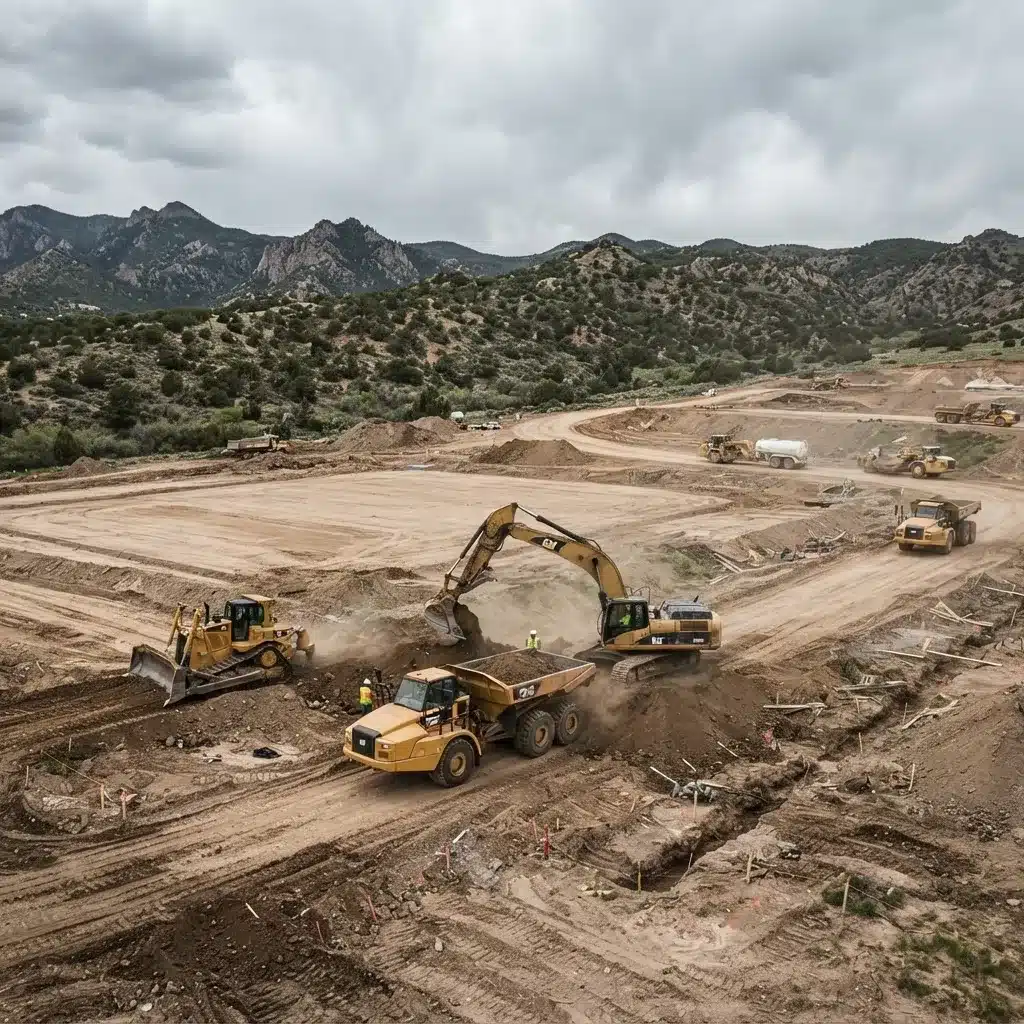
- Commercial excavation: Larger sites for office buildings, retail, roads, or multi-unit developments. These jobs often cover several acres and involve deeper digs, bigger fill operations, and many more moving parts.
Scope drives almost everything that follows. A bigger site means more dirt to move, bigger machines, larger crews, and more rules to follow before anyone breaks ground.
Equipment and Crew
Residential and commercial jobs call for different gear, and the right machine for one can be wrong for the other.
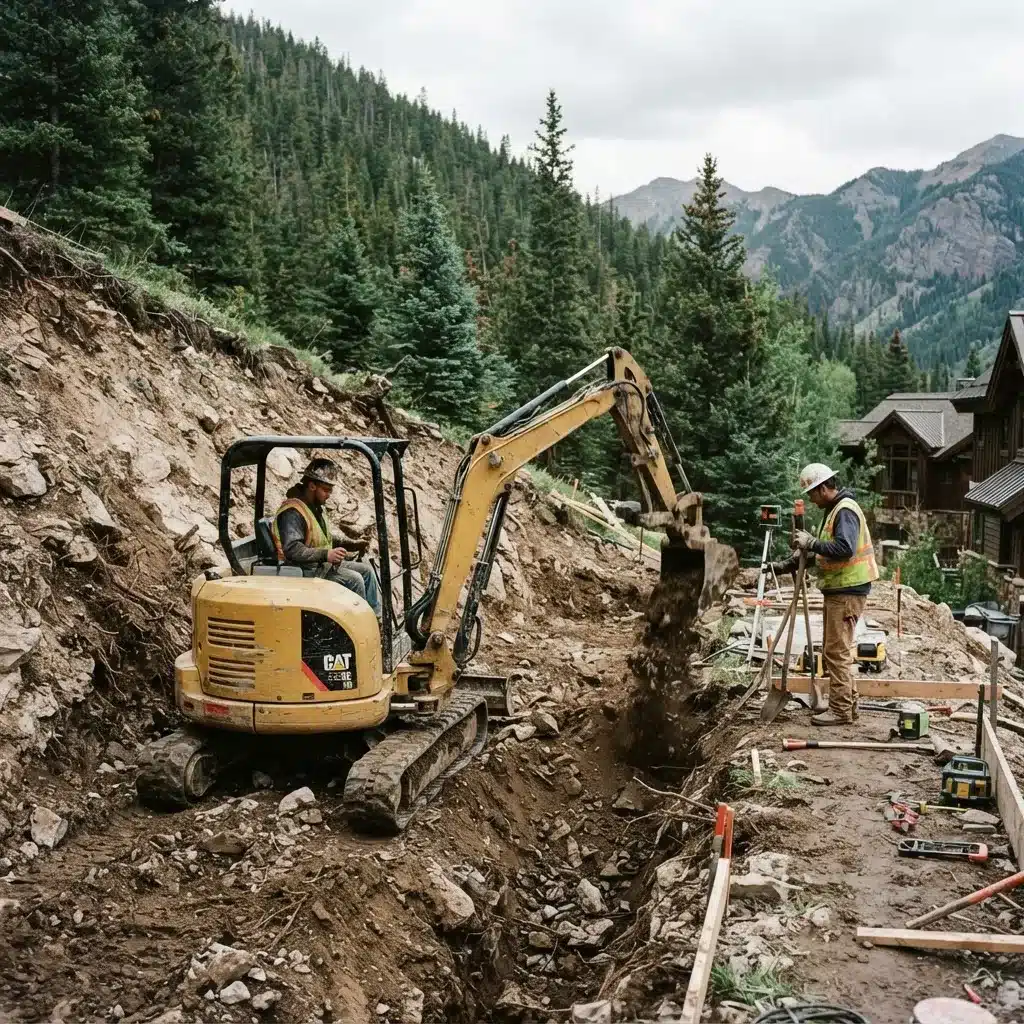
- Residential: Compact excavators, skid steers, and mini track loaders. These fit into tight lots and do less damage to existing landscaping and driveways. A small, focused crew handles most of the work.
- Commercial: Full-size excavators, bulldozers, haul trucks, and graders. Bigger crews run several machines at once to keep a large site on schedule.
On mountain lots, equipment choice matters even more. A machine that is too big can tear up a narrow site, crack a driveway, or fail to reach the spot it needs to dig. A contractor who picks the right size for the terrain protects your property and your budget at the same time.
Permits and Regulations
This is where the two really separate, and it is the part most property owners underestimate.
Once a site disturbs a certain amount of ground, state and county rules take over.
- The one-acre line: Any project that disturbs one acre or more of land needs a Construction Stormwater Discharge Permit from the Colorado Department of Public Health and Environment. You can read the state requirement on the CDPHE permit page. Most commercial jobs cross this line. Most single-home projects do not.
- County grading permits: In Jefferson County, a full grading permit is required when cuts and fills go over ten vertical feet, when disturbance reaches one acre, or when the existing slope is 30 percent or steeper. The county lays this out on its Engineering and Earthwork page. A recent rule change means even half an acre of disturbance can now trigger a full grading permit.
- Stacked requirements: Commercial sites often need erosion and sediment control plans, engineer-stamped drawings, drainage easements, and inspections from start to finish. Residential jobs carry lighter paperwork. But a steep mountain lot can hit these same triggers faster than owners expect, simply because of slope.
A contractor who knows which permits apply before the first machine arrives can save you weeks of delay and the risk of a stop-work order.
Timeline Expectations
Time on site looks very different between the two.
- Residential: A typical home excavation runs from a few days to a couple of weeks, depending on soil, rock, and weather.
- Commercial: Larger sites stretch from several weeks to several months. More permits, more inspections, and more coordination with other trades all add time.
In the mountains, ground conditions can stretch either timeline. Frozen ground in winter, spring runoff turning a site to mud, and hidden rock that slows every dig are all part of working up here. An honest contractor builds that reality into the schedule instead of promising dates the mountain will not allow.
Site Access
Access is a bigger factor in the high country than almost anywhere else.
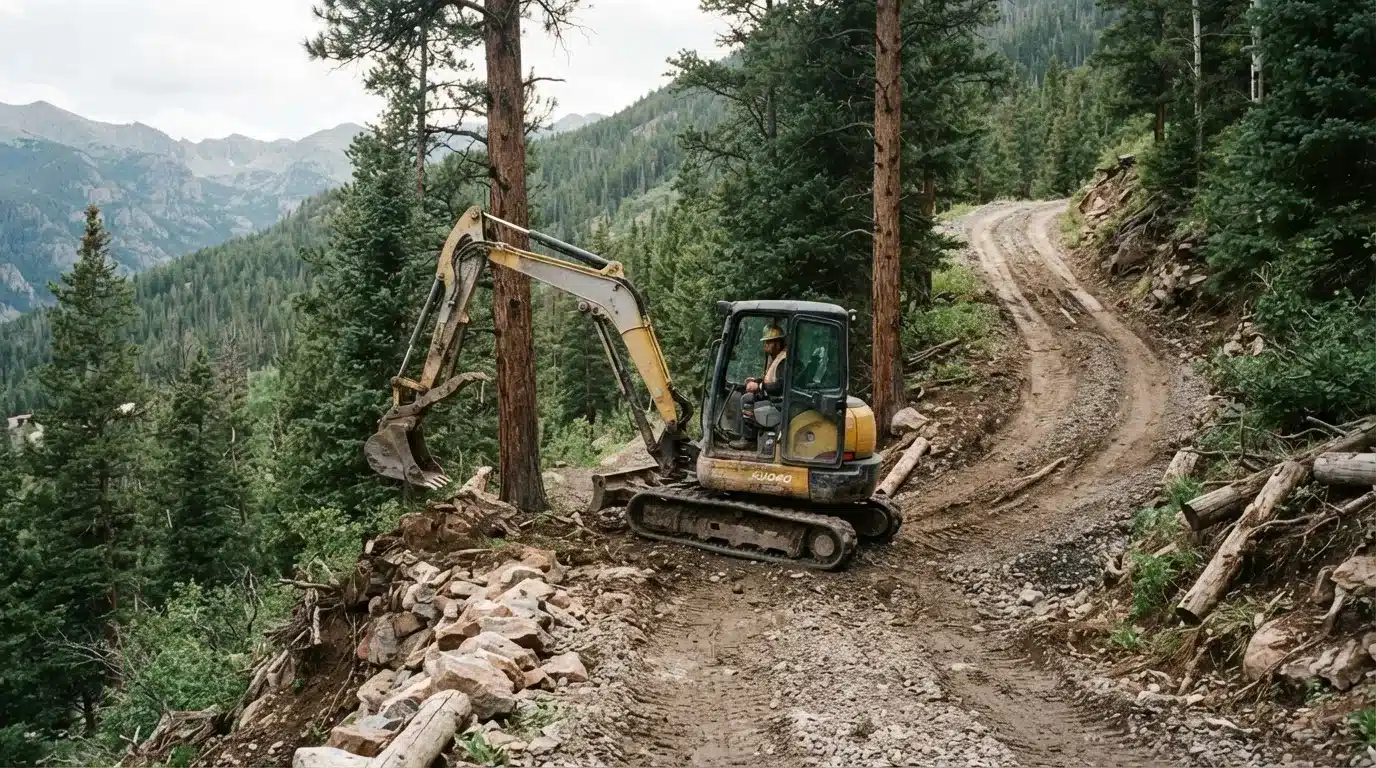
- Residential mountain lots: Often have narrow driveways, steep grades, sharp switchbacks, and little room to turn equipment around. Getting machines in and out without damaging the property takes planning.
- Commercial sites: Usually sit on better roads, but the size of the equipment and the volume of haul trips create their own logistics to manage.
For either type, a contractor who scouts access before the job avoids the kind of surprise that stalls a project on day one. On a tight residential lot, that might mean choosing smaller equipment or staging materials off site. On a commercial job, it might mean planning truck routes and timing.
Budget and Planning
Cost works differently for each.
- Residential: Smaller overall budgets, but rock and slope can push prices up quickly on a mountain lot. A clear scope and a site visit keep the estimate honest.
- Commercial: Larger budgets with more line items, including permits, engineering, traffic control, and stormwater management.
For both, the worst budget surprises come from skipping the planning stage. Soil testing, a walk of the site, and a clear written scope upfront cost far less than fixing a problem halfway through the dig. If a bid comes back with no site visit and no questions, that is a warning sign worth noticing.
Why Experience Matters for Each Type
Commercial and residential work pull on different skill sets.
- Commercial experience means managing permits, engineers, inspectors, and tight schedules across a large site.
- Residential experience means protecting a homeowner’s property, working in close quarters, and reading mountain terrain correctly.
The wrong fit shows up in the results. A crew used only to flat commercial pads can struggle on a steep residential lot. A small residential outfit can be in over its head on a multi-acre development. Neither is a knock on the crew. It is a matter of matching the contractor to the work.
What you want is a contractor who knows your specific type of project and your specific terrain. In Colorado’s mountains, local knowledge of soil, slope, drainage, and county rules counts for as much as the machines in the yard.
Planning a Project in the High Country?
Whether you are prepping a single home site or a larger build, the right excavation partner saves you time, money, and headaches. Mountainside Land Services handles excavation and sitework and foundation installs across Colorado’s mountain communities, with the equipment and the local knowledge to match your project and your terrain.