
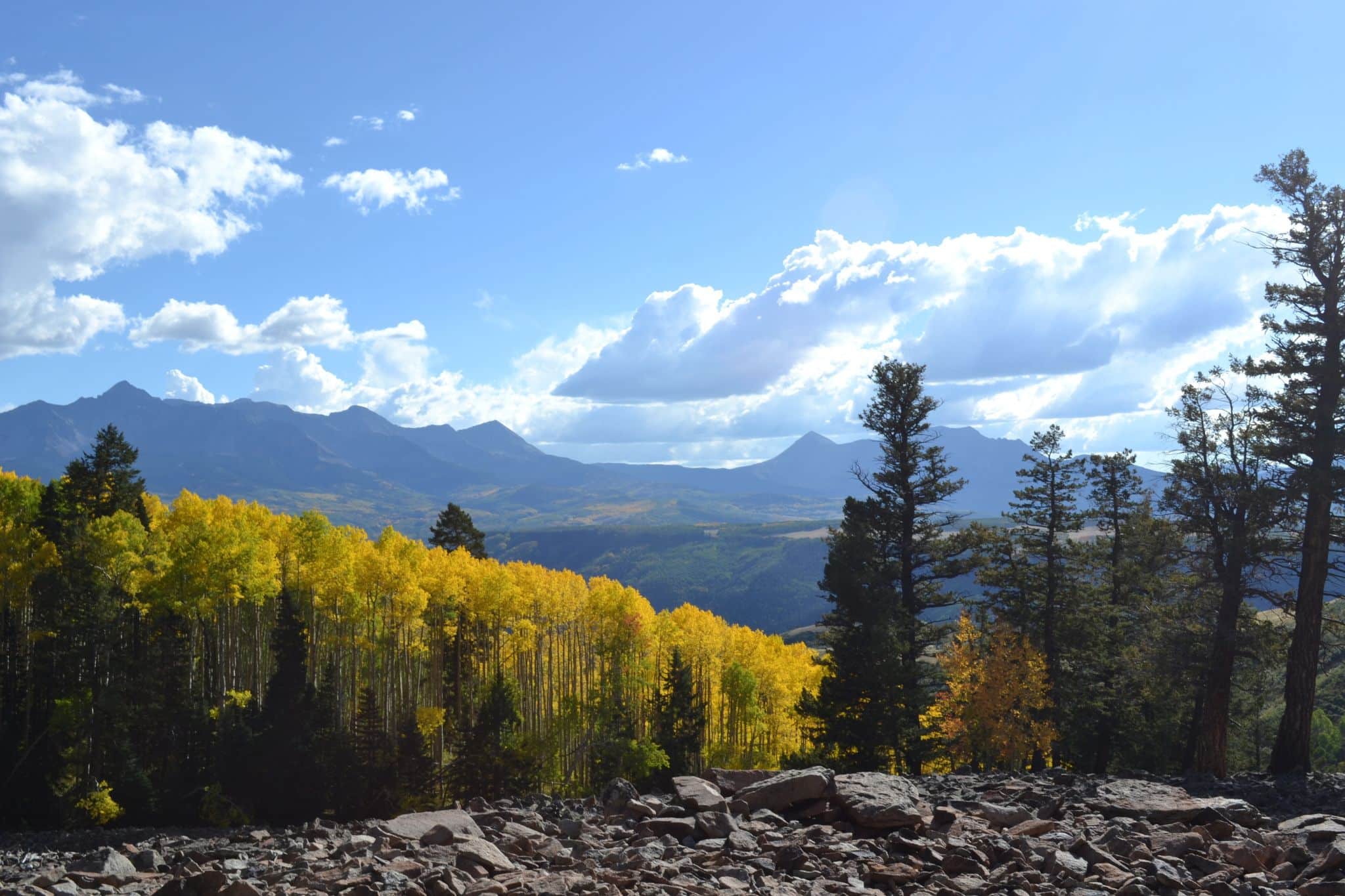
You found the lot. Maybe it has the view you always wanted, a stand of old pines, a slope that runs down toward a creek. Before the first tree comes down, there is a round of work that has nothing to do with a chainsaw. The choices you make before clearing shape your budget, your schedule, and whether your new home sits on solid ground for the next thirty years.
Mountainside Land Services clears and preps building sites across Jefferson, Clear Creek, Gilpin, Park, Summit, and Douglas counties. Here is what to sort out before the machines roll in.

Do You Need a Permit? Most Likely, Yes.
Clearing land is not as simple as cutting and hauling. In the eyes of your county, clearing is a form of land disturbance, and that comes with rules.
Jefferson County, for example, defines disturbance to include clearing, grading, excavation, and anything else that exposes soil. Once you pass half an acre of disturbance, you may need a full grading permit. Cross one acre, and you also need a state stormwater permit from the Colorado Department of Public Health and Environment.
There are other triggers too. Work near a floodplain or a wetland can require a separate floodplain permit, or even a federal permit when wetlands are present. The lesson is simple. Call your county before you clear, or hire a contractor who already knows the answer for your area.
Start With a Real Site Evaluation
A good clearing job starts with a good look at the land. A proper site evaluation tells you what you are dealing with before you spend a dollar on machines.
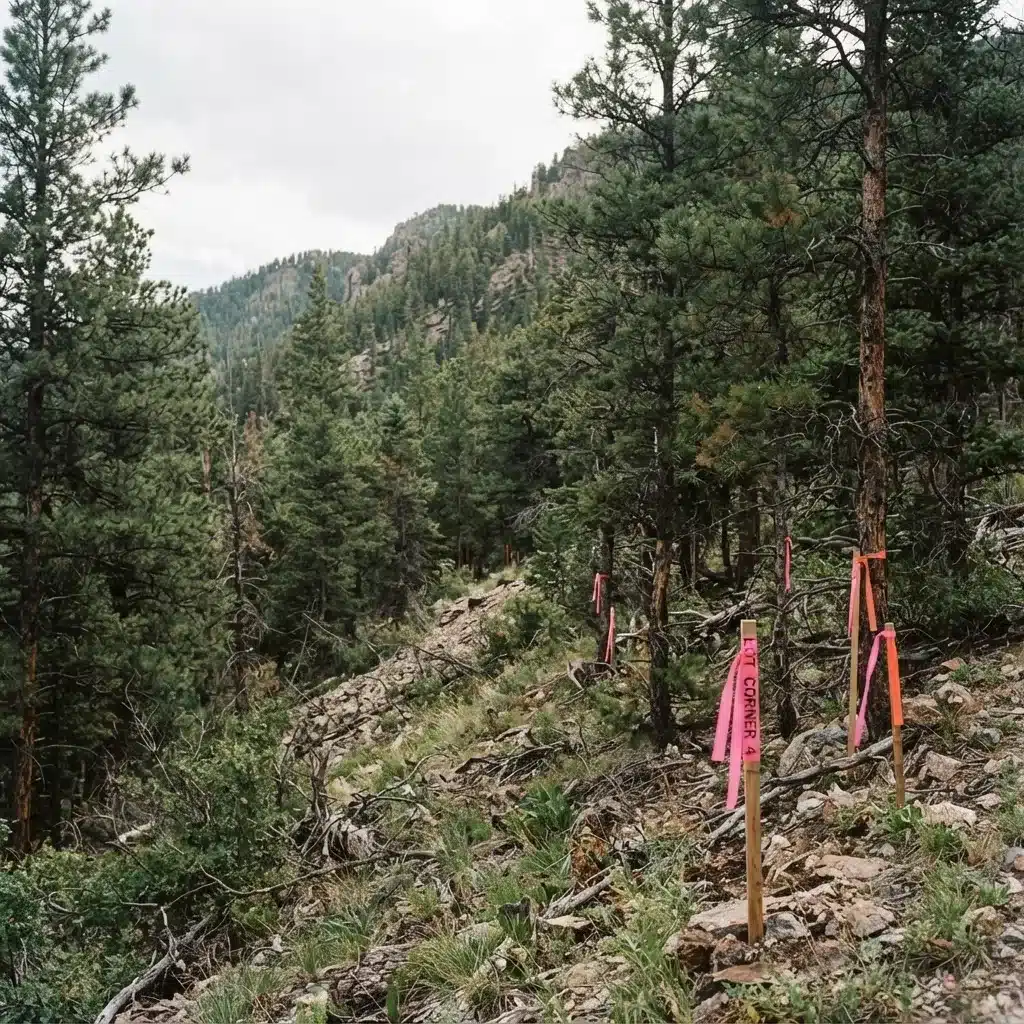
A thorough evaluation looks at soil type, slope, rock near the surface, how water moves across the property, and where the house will actually sit. On steep or rocky mountain lots, a soils or geotechnical report is often part of this step, and many counties require one before they will issue a grading permit.
Skip the evaluation and you risk a surprise layer of bedrock, a wet building site, or a foundation plan that does not fit the ground you have.
Mind the Environment
Mountain lots come with neighbors you cannot negotiate with: streams, wetlands, wildlife, and the trees themselves.
If there is a creek, a spring, or wet ground on your property, clearing near it can carry extra rules and the risk of sending erosion straight into the water. Wildlife matters as well, and in some areas the timing of your clearing can run up against nesting or habitat concerns. Mature trees deserve a second thought too.
A healthy stand of pines or aspens adds value, shade, and wind protection, and once it is gone it takes decades to replace. A smart clearing plan removes what is in the way of the build and the defensible space around it, while protecting what is worth keeping.
Trees, Brush, and Stumps
This is the part most people picture when they think of land clearing, and it has more options than you might expect.
- Selective clearing: Removing only what the build requires and leaving the healthy trees you want to keep. Best when you care about the look and feel of the lot.
- Full clearing: Taking everything down to bare ground. Common for the building footprint and the driveway.
- Stump removal: Stumps left in the ground rot, attract pests, and get in the way of foundation work. Grinding or pulling them is usually worth it on a build site.
- Hauling and disposal: All that material has to go somewhere. Burning, chipping, and hauling each carry a cost, and in some areas a rule attached.
A good crew walks you through these choices instead of treating every lot the same.
Plan Your Access Before Anything Moves
Here is a question worth asking early. How does the equipment even reach the part of the lot you want cleared?
On a mountain property, access is rarely simple. Narrow approaches, steep grades, and soft ground all decide which machines can get to the site and how much it costs to bring them in. The route you use for clearing often becomes the path for your future driveway, so planning it well now saves you money twice. Staging space for equipment and material matters too, especially on a tight lot where there is nowhere to put anything.
Think About Water Before You Dig
Clearing changes how water moves across your land. Take away the trees and brush holding the soil, and rain and snowmelt start running differently, often faster and in the wrong direction.
That is why grading and drainage belong in the conversation from the start. A clearing plan that ignores water leaves you with erosion, a muddy site, and runoff heading toward the very spot where your foundation will go. Good site prep shapes the ground to carry water away from the build, not toward it.
Budgeting With Eyes Open
Land clearing costs swing widely, and in Colorado the mountains are the reason. Rock, steep slope, heavy tree cover, and hard access all push the number up. A flat, lightly wooded lot is far cheaper to clear than a steep one full of pines and buried boulders, and selective clearing usually costs more per hour than taking everything down.
Build your budget to include more than the clearing itself. Soil testing, grading, permits, and stump removal are common line items that catch owners off guard when they get left out of an early estimate. The way to avoid sticker shock is a site visit and a written scope, not a quick number over the phone.
Why Planning First Pays Off
It is tempting to start clearing the day you close on the lot. The owners who slow down for a week of planning almost always come out ahead. Permits sorted, site understood, water managed, and trees chosen with care. That groundwork is what keeps a build on schedule and on budget once construction begins, and it is far cheaper than fixing a problem after the foundation is poured.
Ready to Clear With a Plan?
Mountainside Land Services handles land clearing and site preparation across Colorado’s high country, with the local knowledge to get the planning right before the first tree comes down. If a new build is on your horizon, reach out for a free assessment.