
Wondering how Colorado excavation costs compare to national excavation cost averages? This guide breaks down why excavation pricing varies so widely, what those averages actually measure, and why project type, terrain, access, and site conditions matter more than a broad national number. The takeaway: national averages can help you set expectations, but a realistic excavation budget has to be built around the property itself.
Search for the average cost of excavation and you will find plenty of clean numbers. Cost per cubic yard. Cost per hour. Cost per project. National ranges that make budgeting look straightforward.
The problem is that excavation rarely works that way.
A national average can give a property owner a rough reference point, but it cannot tell you what a specific project should cost. The farther the job gets from ordinary, accessible ground and predictable working conditions, the less useful that average becomes. For Colorado mountain properties, that difference can be significant.
The better question is not, “What does excavation cost nationally?” It is, “How closely does my project resemble the work behind that average?”
What Does a National Excavation Average Actually Measure?
An average only makes sense when the jobs being averaged are reasonably comparable.
Excavation covers a huge range of work. Digging a utility trench across an open lot is not the same job as cutting into a slope for a building pad. Removing loose soil is different from working through rock. Moving material a short distance on-site is different from loading it into trucks and hauling it away.
Put all of those projects into one national number and the result may be mathematically correct while still being nearly useless for budgeting your property.
The Federal Highway Administration makes the same point from a production standpoint. Its guidance on construction scheduling warns that production rates can vary considerably based on project size, geographic location, and whether the work is in a rural or urban setting, even when contractors are performing the same type of work.
That matters because excavation cost is tied directly to production. A machine that moves material quickly on one site may spend considerably more time doing the same quantity of work on another. The hourly rate did not necessarily change. The amount of work completed during that hour did.
The Unit Behind the Average Matters
Excavation costs are commonly expressed several different ways. You may see a price per cubic yard, per linear foot, per acre, per hour, or for the entire project.Those numbers are not interchangeable.
A cost per cubic yard can make sense when the main variable is the amount of material being excavated. Linear-foot pricing may be more useful for trenching. Acreage can provide a starting point for certain clearing or grading work. A fixed project price may make more sense once the contractor understands the complete scope.
This is why two excavation cost guides can appear to disagree even when neither number is necessarily wrong. They may be measuring different work, under different assumptions, with different items included in the price.
Mobilization provides a simple example. Bringing equipment to a project has a real cost whether the machine works for four hours or four days. Spread that cost across a large project and it becomes a relatively small part of each unit of work. Spread it across a small project and the effective unit cost can rise quickly. A national figure rarely tells you enough about those assumptions.
Professional Construction Estimators Localize National Numbers
Large construction organizations do not treat a national cost figure as a finished estimate.
The U.S. Army Corps of Engineers maintains Area Cost Factors for construction budgeting that compare local labor, materials, equipment, logistics, mobilization, productivity, weather, and other conditions against a national baseline.
That system is designed for military construction, not residential excavation, so its figures should not be used to price a driveway, building pad, or trench. What matters here is the method: even a standardized federal estimating system adjusts national construction costs for location before using them for budgeting.
A national average is the starting point. Local conditions change what that starting point means. And “Colorado” is still a broad location.
A project in an accessible part of the Denver metro is not automatically comparable to work on a steep mountain property outside Evergreen, Idaho Springs, Conifer, or another high-country community. Distance, terrain, access, working space, material movement, and site conditions can change how efficiently the same equipment can work.
Even Colorado Cost Data Comes With a Warning
Statewide data can look more relevant than national data, but it still needs context.
The Colorado Department of Transportation publishes annual construction cost data based on actual project bids. Yet CDOT itself tells estimators to use caution when applying those historical averages to a specific project. Its 2024 Cost Data Book says allowances should be made for geographic, climatic, social, economic, and project-type differences.
That warning matters.
If statewide historical construction data needs to be adjusted before it is applied to a specific project, a broad national excavation average deserves even more scrutiny.
Historical averages tell you what a group of previous projects cost. Your estimate needs to answer a different question: what will it take to complete this project, on this property, under these conditions?
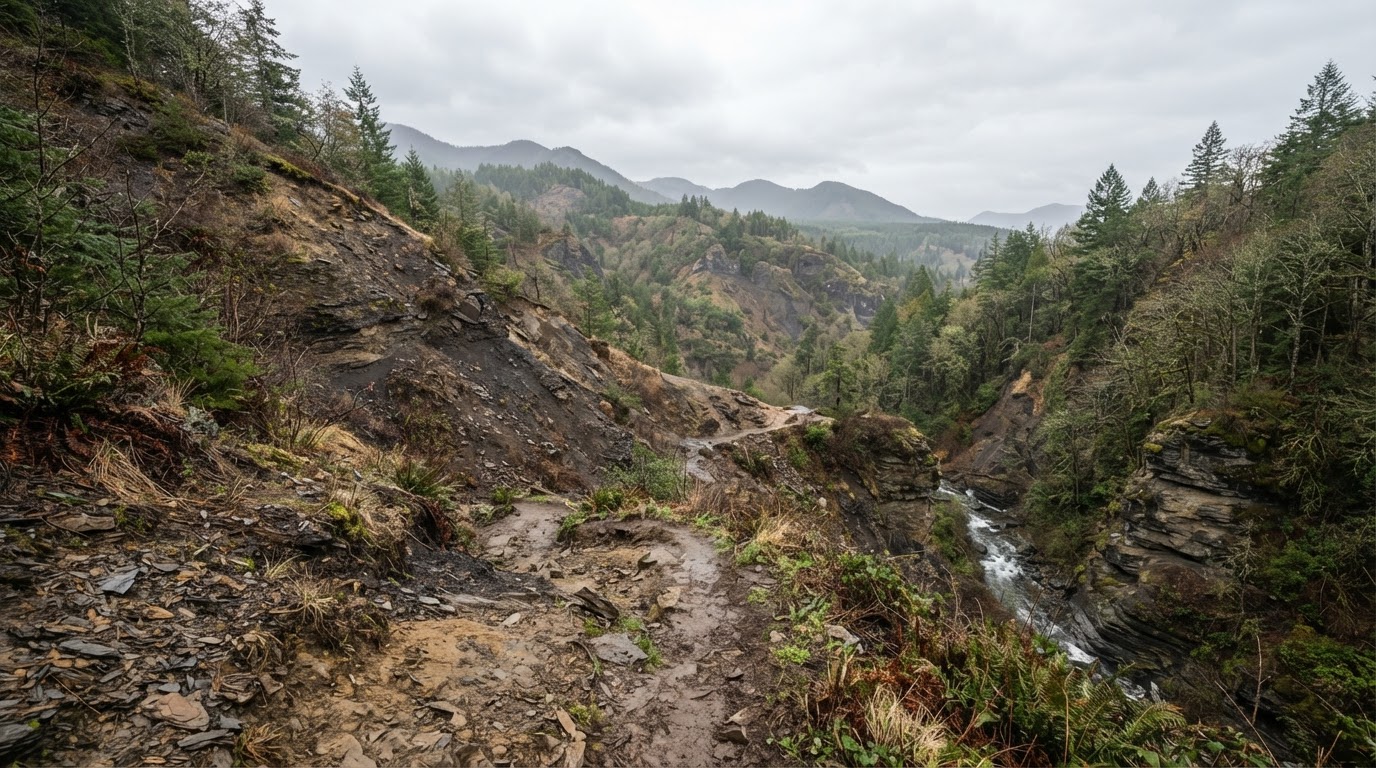

Mountain Properties Can Move Away From the Average Fast
Colorado gives excavation contractors plenty of reasons to inspect the site before putting too much confidence in an average.
The Colorado Geological Survey notes that the state has widely varying rocks, soils, topography, and geologic conditions. Those differences are not academic when excavation begins. Ground that looks similar from the surface can behave very differently once digging starts.
Mountain properties also tend to make equipment movement and material handling more important. A wide, relatively flat lot may allow a contractor to use larger equipment, stage trucks efficiently, and move material with fewer interruptions. A narrow drive, steep grade, limited turnaround, or restricted work area may require a completely different approach.
None of that means every Colorado mountain project will cost more than a national average.
It means the national average cannot tell you whether it will.
That distinction is important. A straightforward mountain project with good access and workable material may stay close to a broad benchmark. Another project only a few miles away may require more machine time, different equipment, additional hauling, or a slower production rate.
The ZIP code alone does not explain the difference. The site does.
How to Use National Excavation Averages Without Getting Burned
National and statewide averages are still useful if you use them for the right purpose. They can help establish a rough order of magnitude before the project is defined. They can also help you recognize when a quote deserves more questions.

Before comparing an estimate with an online average, check four things:
- Match the work. Compare trenching with trenching, grading with grading, and site excavation with similar site excavation. “Excavation” by itself is too broad.
- Match the pricing unit. A per-yard figure cannot be compared directly with a project total unless you know exactly what is included in both.
- Check the assumptions. Find out whether mobilization, hauling, disposal, imported material, finish grading, permits, or other work is included.
- Treat the average as a reference. It can help frame a budget. It should not replace a site-specific estimate.
This also makes contractor quotes easier to evaluate. The cheapest-looking unit rate is not automatically the lowest final project cost, and a higher rate is not automatically overpriced. Scope and expected production matter just as much as the number beside the dollar sign.
A Useful Excavation Budget Starts With the Property
National excavation cost averages answer a broad question about broad groups of projects. Property owners need an answer about one piece of land.
That requires looking at the work itself: what needs to be excavated, how much material must move, what equipment can reach the site, where that material will go, and what conditions the crew is likely to encounter once work begins.
For Colorado mountain properties, those details can matter more than the national number you found online.
Use the average to get your bearings. Build the actual budget around the site.
Mountainside Land Services works with Colorado property owners on excavation and land projects where terrain, access, drainage, and site conditions need to be considered before work begins. A site-specific scope gives you a much better basis for budgeting than a national average ever will. Contact us and we’ll take a look at your property, talk through the work, and help you build a more realistic budget.